Begin this term with the lab and timetable you already have
Practical steps for CBSE schools to introduce coding with existing computer labs, shared kits, after-school clubs, and partner workshops—no dedicated robotics lab required.
Introduction
Many CBSE schools want to introduce coding but feel stuck waiting for a dedicated STEM or robotics lab. The good news is you do not have to wait. You can start coding for CBSE students with the computer lab you already have, a few shared kits, an after-school club, and short partner workshops. This guide shows practical steps to start coding without a robotics lab, so principals, coordinators, and parents can build momentum this term rather than next year.
India's National Education Policy (NEP) 2020 encourages digital literacy, computational thinking, and coding-related skills as part of a broader push for experiential learning. Exact subject choices and timelines still depend on your board affiliation, grade band, and school plan, so treat policy as a reason to begin thoughtfully, not as a checklist of mandates. The schools that move ahead are the ones that start small, measure what works, and grow from there.
Why starting small works
A full robotics lab is valuable, but it is not the only door into coding. Starting small builds confidence among teachers who may feel underprepared, fits into an already packed CBSE timetable, and keeps the budget honest while you learn what students actually enjoy. A pilot of one or two grades for eight to twelve weeks teaches you more about scheduling, facilitation, and kit needs than months of planning alone. Parents also see early demos, which builds support for a larger investment later.
What you can do with an existing computer lab
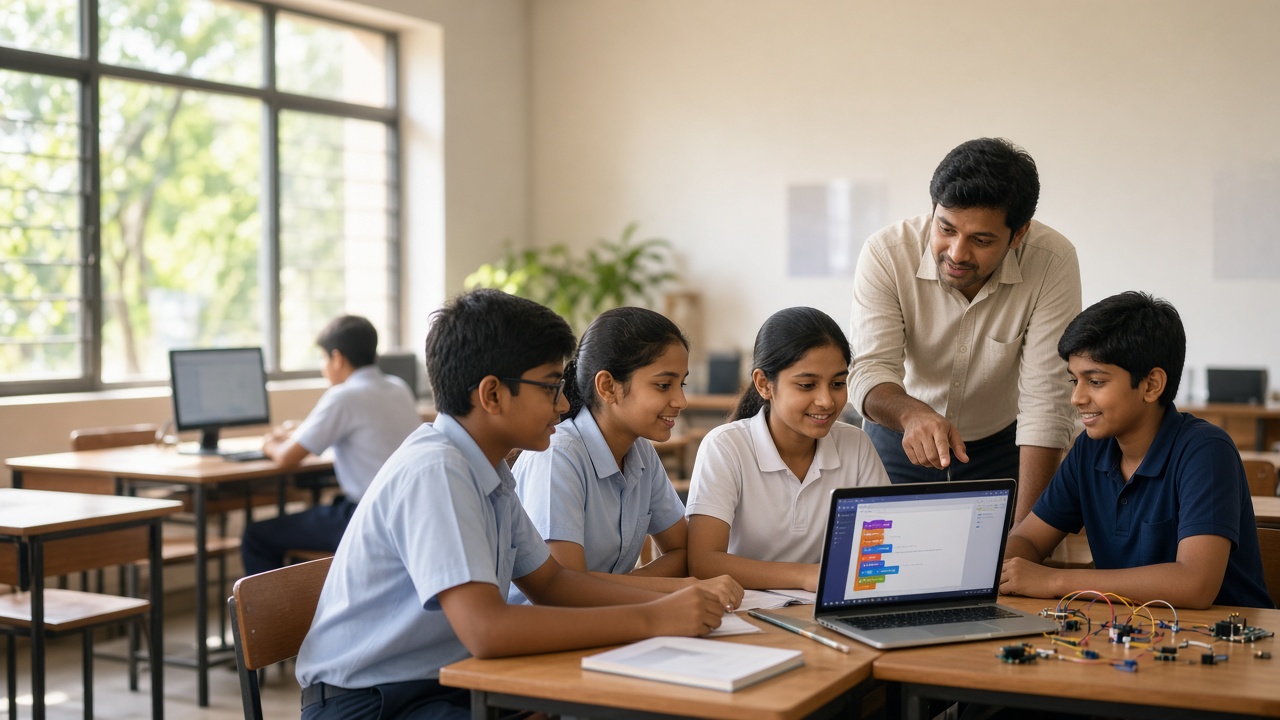
School computer lab coding is often enough for a strong first phase. Install or enable block-based coding tools for younger classes so students see immediate results without syntax frustration. For middle and senior students, introduce Python basics: variables, loops, conditionals, simple functions, and short projects such as a quiz, a text adventure, or a data chart from a CSV they understand. Pair programming (two students, one keyboard) stretches limited machines and improves collaboration.
Unplugged activities help on days when lab access is scarce. Sorting cards, drawing algorithms as flowcharts, and acting out loops in the classroom all reinforce NEP coding skills ideas without screens. Keep sessions short and project-shaped: a clear goal, a working demo by the end of the period, and a one-line reflection so learning is visible.
Shared kits and rotating carts
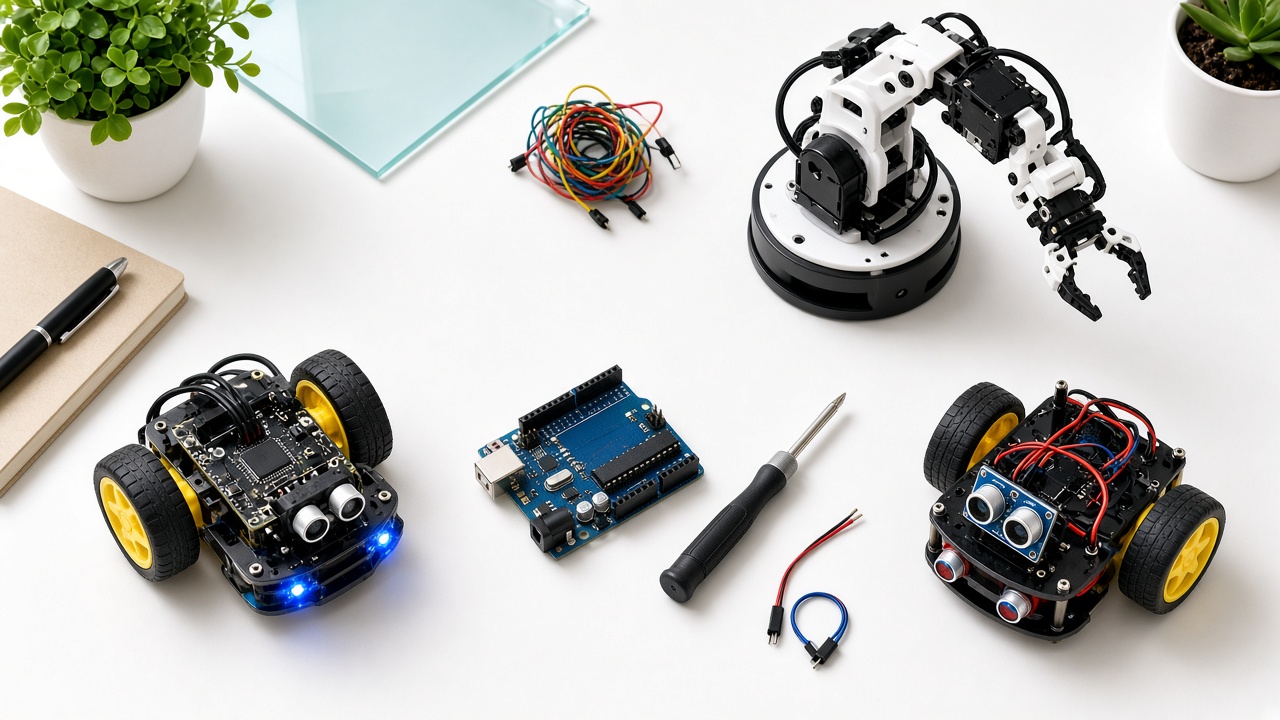
You do not need a kit for every child on day one. A shared set of beginner microcontroller kits, sensors, and a few wheeled chassis can travel between classes on a lockable cart. Assign kits to teams of three or four, store spare parts in labelled bins, and rotate access by week or by grade. This approach is far cheaper than a full lab fit-out and still lets students connect code to motors and sensors.
Appoint one teacher or coordinator as kit custodian. Simple rules matter: check-in and check-out lists, charged batteries only, and no open circuits near liquids. When demand grows, you will know exactly which kit types to buy next because usage data will guide you.
After-school coding and innovation club model
An after-school coding or innovation club is often the easiest way to introduce CBSE coding in schools without disturbing core periods. Meet once or twice a week for 60 to 90 minutes. Keep the group manageable, mix grades carefully, and end each term with a small showcase for parents. Clubs also create peer mentors: older students who help younger ones, which multiplies teacher capacity.
Tie club projects to school life where you can: attendance dashboards, plant-care reminders, or simple quiz apps for juniors. Purpose makes attendance stick better than abstract exercises alone.
Partner workshops and guest mentors
Even a strong internal plan benefits from occasional outside mentors. A weekend or multi-day workshop can jump-start teachers and students, demonstrate project standards, and leave the school with lesson patterns to reuse. Guest sessions work best when they sit inside your roadmap, not as one-off entertainment. Ask partners to train at least one staff member alongside students so skills stay when the workshop ends.
A practical 8–12 week starter roadmap
Treat the following as a flexible template, not a fixed syllabus. Adjust grades and tools to your context. Weeks 1–2: Orientation, digital citizenship, and unplugged computational thinking. Confirm lab software, accounts, and safety rules. Weeks 3–5: Block coding or Python fundamentals with tiny projects. Teachers facilitate more than lecture. Weeks 6–8: Team mini-projects; introduce shared kits if available (LEDs, buttons, simple sensors). Hold a mid-term demo day for one class. Weeks 9–12: Polish projects, document learning in short portfolios, run a parent showcase, and note what to expand next term. Optionally invite a partner workshop in week 10 or 11 to deepen skills. Review after the cycle: which grades engaged most, which kits were scarce, and whether timetable slots need changing before you scale.
Common mistakes to avoid
Buying hardware before you have a timetable and a trained facilitator. Running only theory slides with no student builds. Trying every age group at once and overloading one teacher. Skipping parent communication until something goes wrong. Waiting for a perfect dedicated lab when a computer lab and a cart would already unlock CBSE coding in schools for many students. Start with clarity, not catalogues.
Frequently asked questions
Q: Do we need a robotics lab before we teach coding? A: No. Coding for CBSE students can begin on existing computers with block tools or Python. Shared kits and clubs add hands-on depth later. A dedicated lab is a growth step, not a prerequisite.
Q: Which classes should we start with? A: Many schools pilot with Classes 6 to 8, where curiosity is high and board pressure is still manageable. Some begin earlier with block coding or later with Python, depending on staff readiness. One or two grades done well beats a thin programme for everyone.
Q: How do we keep this from clashing with board exam preparation? A: Keep coding sessions short, project-based, and scheduled outside the heaviest exam weeks. Frame coding as practice in logic and problem-solving that supports maths and science reasoning, and communicate the plan clearly to parents and subject teachers.
Start coding with SheepByte
SheepByte is an AI and robotics education company based in Udaipur, Rajasthan. Our Coding Bootcamp, Robotics Lab, STEM Integration, and Innovation Club programmes help schools introduce coding and light robotics even before a full lab is ready, and our AI Learning and Drone Technology programmes offer paths to grow into. We run workshops in Jaipur, Delhi, and online.
To plan a starter roadmap, shared-kit pilot, or school workshop, email support@sheepbyte.com or visit sheepbyte.com.