From curious builder to future drone professional
Drones are used in agriculture, mapping, inspection, and more. Learn the career roles, the skills to build from school, and how to start safely and legally.
Introduction
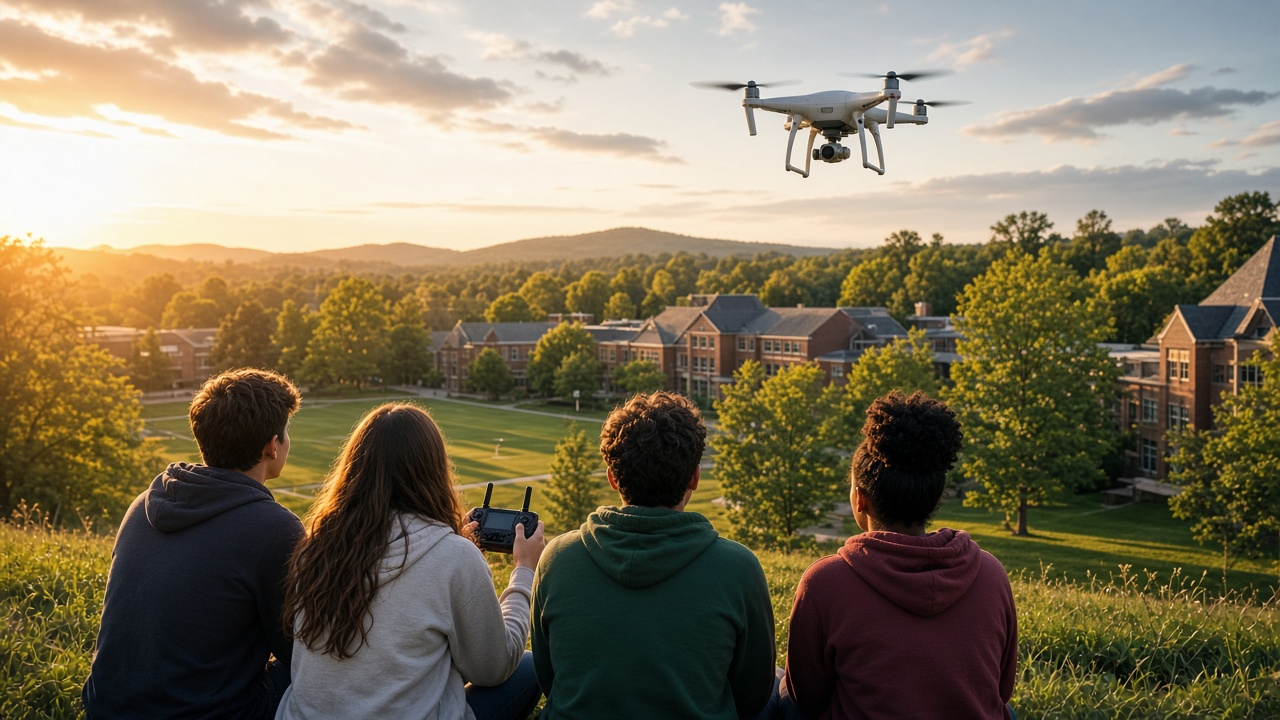
Drones have moved far beyond hobby toys. In India they are used to survey farmland, inspect infrastructure, map land, support disaster response, capture film footage, and more. For students who love technology and the outdoors, drones can be an exciting study area and a real career direction. This guide explains what drone technology involves, the skills worth building at school age, and how to prepare responsibly.
What drone technology is and where it is used
What is drone technology, really. A drone, also called an unmanned aerial vehicle (UAV), is an aircraft flown without a pilot on board. Behind that simple definition sits a mix of fields: Mechanical design: frames, propellers, motors, and weight balance; Electronics: batteries, power distribution, speed controllers, and sensors; Programming and control: flight controllers, stabilisation, and automated missions; Communication: radio links, GPS, and sometimes live video; Data and AI: processing aerial images, maps, and measurements. This is why drones make such a good STEM topic: one project touches physics, electronics, coding, and design.
Where drones are used. Drone use in India has grown across several sectors. Common areas include: Agriculture: crop monitoring and spraying support; Surveying and mapping: land, construction sites, and mining areas; Infrastructure inspection: towers, bridges, power lines, and pipelines; Media and photography: weddings, films, tourism, and events; Public safety and disaster management: search support and area assessment; Logistics and delivery: an area still developing, with pilots in specific settings. The government has also shown policy interest in the sector through liberalised drone rules and support schemes. Exact incentives and rules change over time, so check official sources for the latest information.
Career roles linked to drones
Students often assume "drone career" means "drone pilot", but there are many roles:
Salaries and demand vary by role, region, and experience, so we avoid quoting numbers here. A good approach is to speak with professionals and look at current job listings when your child is closer to career decisions.
- Drone pilot / remote pilot: operates drones for commercial work, after required training and certification
- Drone technician: builds, repairs, and maintains drones
- Drone service provider: runs a business offering surveying, inspection, or photography
- Geospatial or GIS analyst: turns aerial data into maps and insights
- Embedded systems or flight software engineer: works on controllers and autonomy
- Computer vision engineer: teaches drones to recognise objects from images
- Agri-tech specialist: applies drone data to farming decisions
What students should learn: a skills roadmap
Foundation skills (Classes 6 to 8). Basic coding with block-based tools, moving to simple Python; Understanding forces: lift, gravity, thrust, and drag; Simple circuits, batteries, and motors; Measuring, estimating, and following safety rules.
Core skills (Classes 9 to 10). Python and basic Arduino programming; How sensors work: gyroscope, accelerometer, barometer, GPS; Basics of how a flight controller keeps a drone steady; Hands-on building, soldering under supervision, and troubleshooting; Introduction to simulation software for practising without risk.
Advanced skills (Classes 11 to 12 and beyond). Control concepts such as feedback loops (PID control); Mapping and image processing basics; Machine learning for object detection; Mission planning and data analysis; Physics and maths: vectors, trigonometry, and basic calculus.
Soft skills that matter. Safety-first thinking and discipline; Clear documentation of tests and results; Teamwork on build and flight teams; Communication with clients, which matters for service roles.
Rules and responsibility in India
Flying drones is regulated. India's Drone Rules, administered by the Directorate General of Civil Aviation (DGCA) with the Digital Sky platform, set conditions on registration, flight zones, and operator certification. Rules differ by drone size and purpose, and they get updated. Commercial operation generally requires a remote pilot certificate from an approved training organisation, and there are minimum age requirements, so students typically need to be adults for that step.
For school-age learners, the sensible path is:
1. Learn the theory and build skills in a supervised setting 2. Use simulators and indoor or controlled environments for practice 3. Never fly in restricted areas, near airports, crowds, or without permission 4. Check the latest official guidelines before any outdoor flying.
How to start now and which pathways to consider
How to start now.
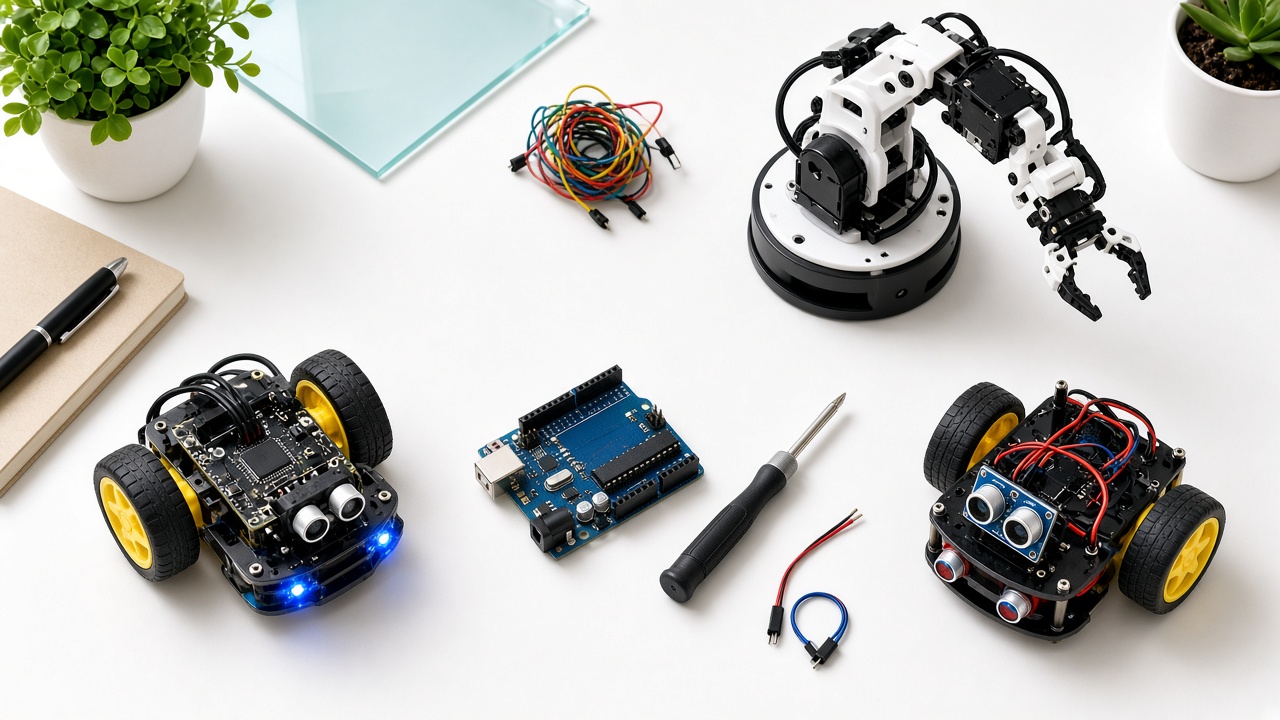
Build before you fly. Start with building a small drone or studying a kit's components. Understanding why a drone is stable teaches more than only flying one.
Practise in simulation. Free and low-cost simulators let students practise control, so a crash costs nothing.
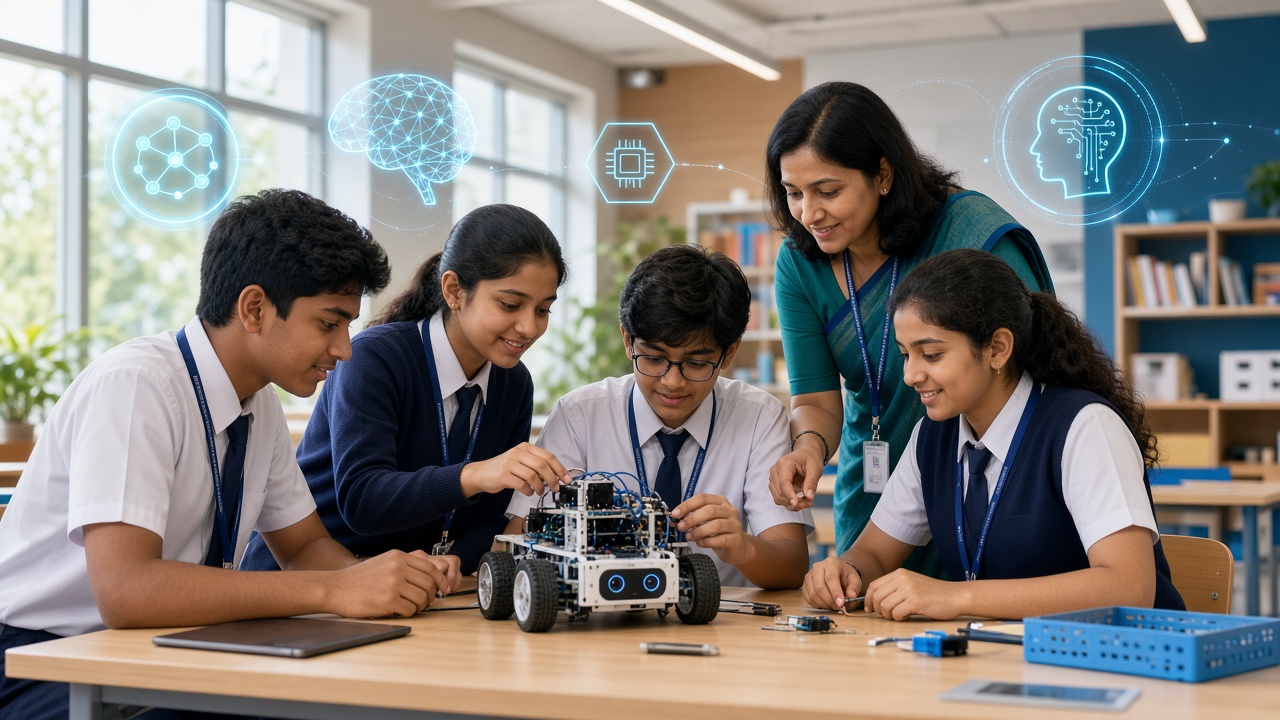
Join a club or workshop. Group projects bring in mentors, equipment, and safe flying spaces.
Keep a project portfolio. Photos, videos, test logs, and code samples show colleges and employers what you can do.
Education pathways. Drone-related careers can connect to several study routes, including engineering streams like electronics, mechanical, aerospace, or computer science, and skill-based training for specific roles. Students need not choose now. Strong maths, physics, and coding skills keep many doors open.
Frequently asked questions
Q: Can a school student become a drone pilot? A: Students can learn theory and practise in supervised or simulated settings. Commercial remote pilot certification has age and training requirements under Indian rules, so check the latest DGCA guidance for details.
Q: Is drone technology a good career in India? A: The sector is growing and offers varied roles, but outcomes depend on skills, specialisation, and market conditions. Building a broad technical base and practical experience is the safest preparation.
Q: What subjects should I focus on? A: Physics and maths for understanding flight and control, plus programming and electronics for building and automating drones. Communication skills also help for client-facing roles.
Explore drones with SheepByte
SheepByte is an AI and robotics education company based in Udaipur, Rajasthan. Our Drone Technology program introduces students to drone design, electronics, and programming in a safe, guided way, supported by Coding Bootcamp, AI Learning, and Robotics Lab sessions. We run workshops in Jaipur, Delhi, and online.
Want to know more? Write to support@sheepbyte.com or visit sheepbyte.com.