You do not need to be an engineer to help your child learn
Practical ways Indian parents can support coding for kids at home—short routines, better questions, kits versus screen time, clear limits, and when a class or workshop helps.
Introduction
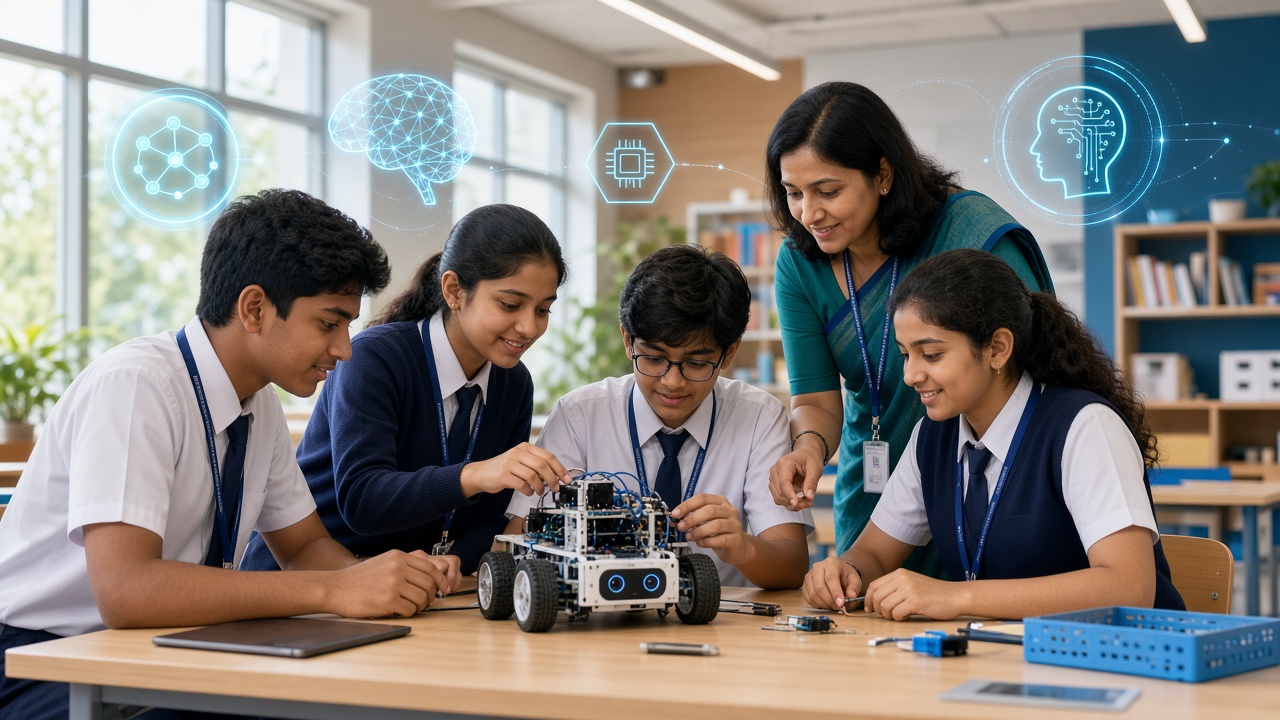
When a child starts coding or robotics through school, an after-school programme, or a weekend workshop, many Indian parents feel the same mix of pride and uncertainty. You want to support kids coding India journeys at home, but you may not know the tools or how much help is too much. Parents support robotics learning best through presence, routines, and curiosity—not by becoming full-time tutors overnight.
Coding for kids at home works when learning feels like a steady habit rather than a performance. This guide covers a simple weekly rhythm, better questions, kits versus screens, clear limits, when a class helps, common mistakes, and FAQs. Use what fits your family; skip what does not.
Build a short, steady home routine
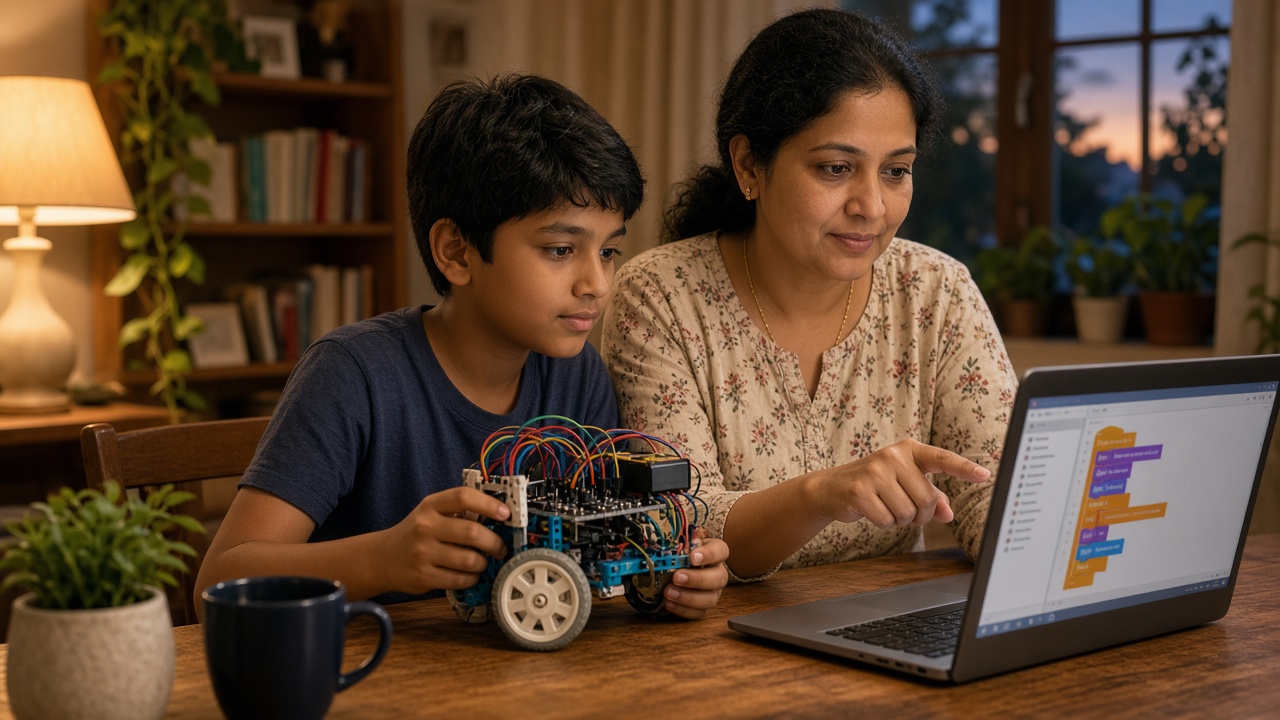
Consistency beats intensity. Two or three focused sessions of 30 to 45 minutes each week usually help more than a long Saturday that ends in frustration. Pick a fixed slot after homework or before dinner, keep the workspace clear, and end with a tiny win: a working block of code, a motor that spins, or a note of what to try next time. Store kits and chargers in one labelled box so setup time stays short.
Protect the routine from endless scrolling. If coding happens on a laptop or tablet, open only the project tools needed for that session. Younger children often do better with a parent nearby at the start; older students may prefer a quiet check-in at the end. Celebrate showing up as much as finishing a flashy demo.
Ask better questions instead of giving answers
When something breaks—and it will—resist the urge to take over the keyboard. Parents support robotics learning most when they coach thinking. Try questions such as: What were you trying to make happen? What did you change last? What does the error message say in plain words? Can you draw the steps before you code again? These prompts build debugging habits that matter more than any single project.
Praise effort and process. Notice when your child rewrote a loop, asked a classmate, or tested one idea at a time. Avoid comparing their pace to cousins, classmates, or social-media project reels. If you truly do not know the tool, say so honestly and learn one small concept together—that models lifelong learning better than pretending expertise.
Kits versus screen time: choose with purpose
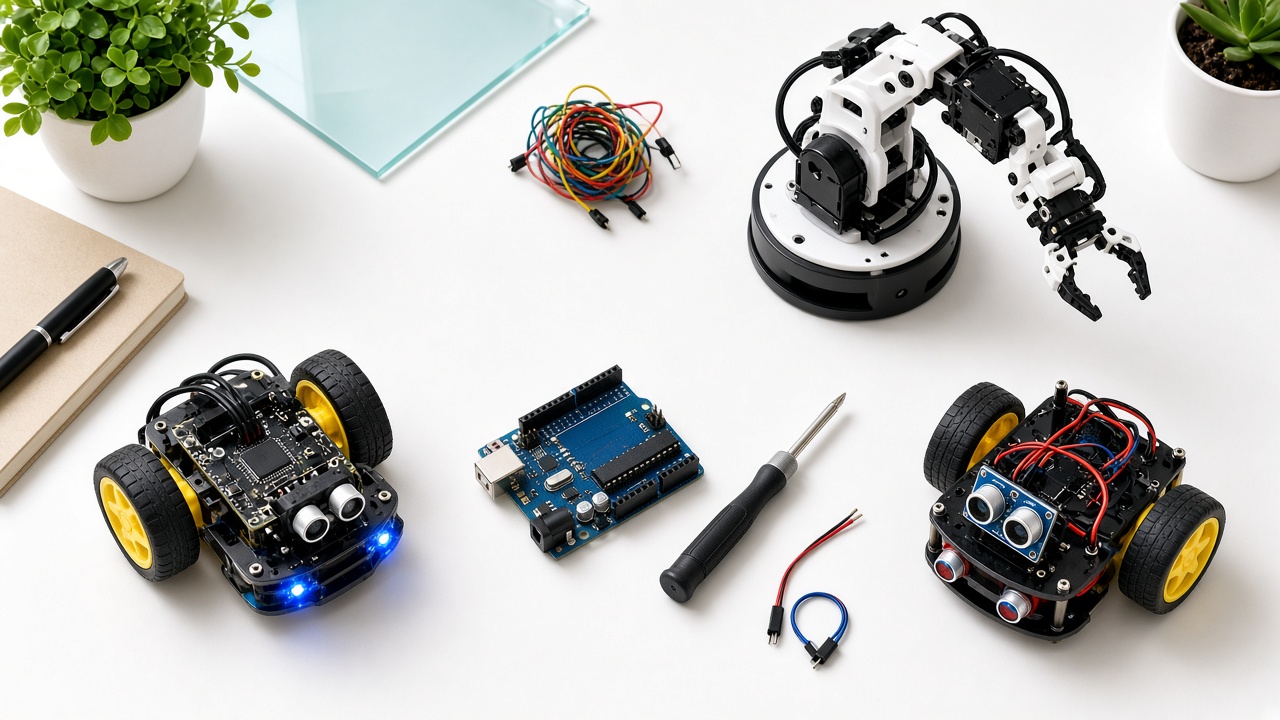
Not every child needs a large robotics kit on day one. Screen-based block coding or Python practice can be enough for early logic skills. Add a beginner kit when your child wants motors, lights, or sensors—and when you have a safe table space and time to store parts carefully. A small, well-used kit beats an expensive box that stays sealed.
Balance hands-on builds with screen sessions. Alternate a kit day with a coding-only day, or spend the first half of a session designing on paper and the second half building. This mix keeps coding for kids at home from becoming only passive video watching. If a kit comes with online tutorials, watch short clips together, then pause and try the step yourselves before playing the next one.
Set clear, kind screen limits
Screen limits are easier to keep when they are specific and agreed in advance. Decide together: how many coding sessions per week, how long each lasts, and what happens when the timer ends (save the project, note the next step, power down). Keep entertainment apps off the coding device during learning time whenever possible.
Watch for fatigue signs: rushing, arguing over every click, or copying tutorial steps without understanding. A short break, a snack, or switching to an unplugged activity—flowcharts, sorting cards, or explaining the idea aloud—often resets focus better than forcing another twenty minutes. Healthy habits around kids coding India practice include sleep, outdoor play, and schoolwork first; coding should enrich the week, not crowd it out.
When to seek a class or workshop
Home support is powerful, but group learning has unique value. Consider a class, Coding Bootcamp-style programme, or weekend workshop when your child wants peers, when progress has stalled for weeks despite regular practice, or when you need structured feedback from a mentor. Workshops in cities such as Jaipur and Delhi, plus online options, can also give parents a clearer view of quality teaching.
Look for programmes that emphasise projects, safety, and age-appropriate tools rather than only certificates. Ask how mentors handle stuck moments, whether kits are shared or individual, and how parents receive updates. A short workshop trial is often wiser than a long commitment before you see how your child responds.
Common mistakes to avoid
Buying every kit and course at once before a routine exists. Turning every evening into a coding drill that crowds out rest and play. Finishing projects for your child so the demo looks perfect. Comparing siblings or classmates. Ignoring school homework windows and exam weeks. Expecting overnight mastery because a policy document or school brochure mentions coding. India's education landscape is evolving, and schools differ in how they introduce digital skills—treat home support as a calm supplement, not a race.
Frequently asked questions
Q: Do I need a technical background to help? A: No. Curiosity, a steady routine, and good questions matter more. You can learn basics alongside your child or rely on a teacher or mentor for deep technical help.
Q: How much time should we spend each week? A: Many families do well with two or three sessions of 30 to 45 minutes. Adjust for age, school load, and interest. Short and regular beats rare and exhausting.
Q: Is screen-based coding enough, or do we need a robotics kit? A: Screen coding builds logic and can be enough at the start. Add a kit when your child is ready for motors and sensors and you can store and supervise hardware safely.
Q: What if my child loses interest? A: Pause the pressure. Switch to a smaller project, a different tool, or a peer workshop. Interest often returns when learning feels playful again and when goals are chosen by the child, not only by adults.
Grow with SheepByte
SheepByte is an AI and robotics education company based in Udaipur, Rajasthan. Our Coding Bootcamp, Robotics Lab, STEM Integration, Innovation Club, AI Learning, and Drone Technology programmes help students build real projects with mentor support. We run workshops in Jaipur, Delhi, and online, and we partner with schools on robotics lab setup.
If you want guidance on home routines, a trial workshop, or a school programme that fits your child, email support@sheepbyte.com or visit sheepbyte.com.