You do not need a full robotics lab to start building innovators
A practical guide for Indian principals, coordinators, and parents on what a school innovation club is, why it matters, and how to launch one with limited resources.
Introduction
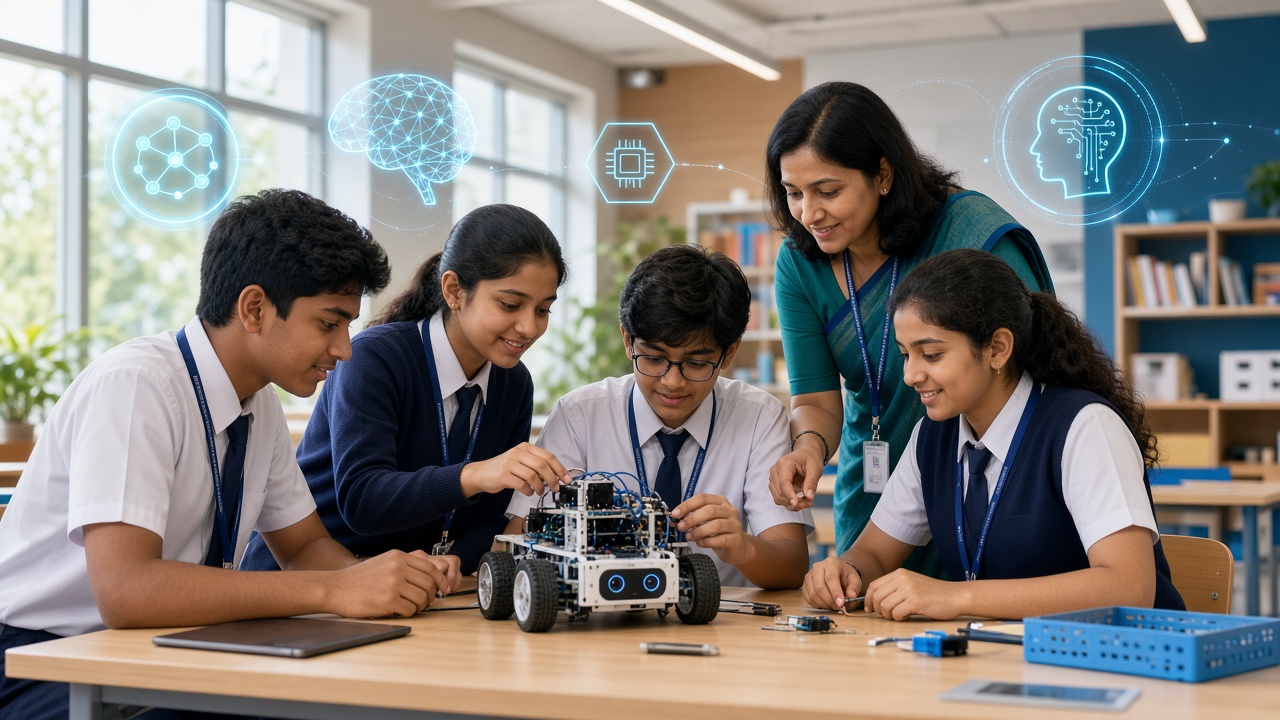
An innovation club school India programme is a structured after-school or activity-period space where students design, build, and improve small projects—often mixing coding, robotics, and STEM ideas. Unlike a one-off science fair, a school innovation club meets regularly, gives students ownership of problems, and treats failure as part of learning. Principals, coordinators, and parents in Rajasthan and across India often ask how to start without a full lab budget; this guide answers that question in practical steps.
A STEM club for schools works best when goals are clear, sessions are short and steady, and mentors coach thinking rather than finish projects for children. This guide covers what an innovation club is, why it matters, how to launch with limited resources, roles, sample activities, measuring success, common mistakes, and FAQs. Adapt what fits your campus.
What an innovation club is—and why schools need one
A school innovation club is a recurring student community focused on hands-on problem-solving. Members pick challenges (local, classroom, or imagined), plan solutions, build prototypes with available tools, test, and share what they learned. The emphasis is process: asking better questions, iterating, documenting, and presenting—not collecting certificates alone.
Schools need this space because timetabled subjects rarely leave room for open-ended making. An innovation club complements classroom learning by building collaboration, communication, and resilience. India's education landscape is evolving, and guidance on coding or experiential learning can differ by school and year—treat the club as flexible enrichment that supports STEM integration without waiting for a perfect curriculum map. For parents, it is where curiosity becomes demos students can explain themselves.
How to start with limited resources
You do not need a dedicated robotics lab on day one. Begin with a locked cupboard, a shared computer lab slot, a whiteboard, and a small kit box. Choose one fixed weekly slot of 60 to 90 minutes so students and teachers can plan around it. Cap the first cohort (for example, 15 to 25 students across two age bands) so mentoring stays personal.
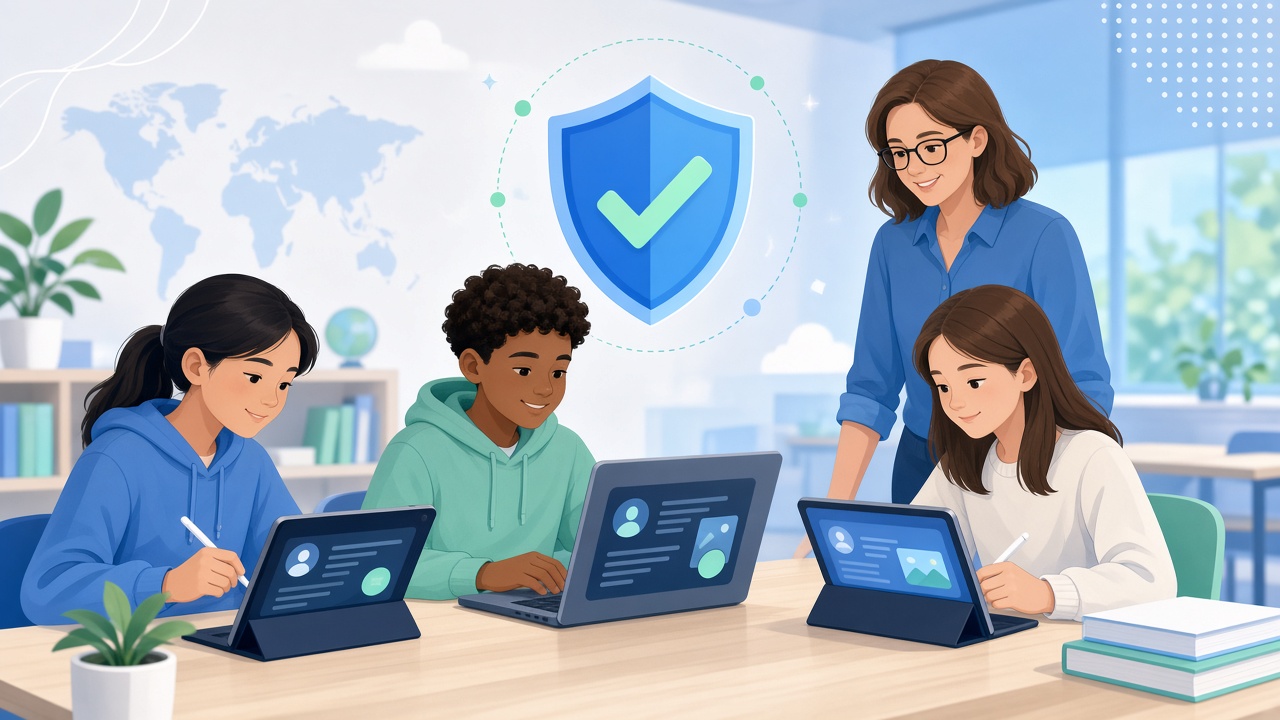
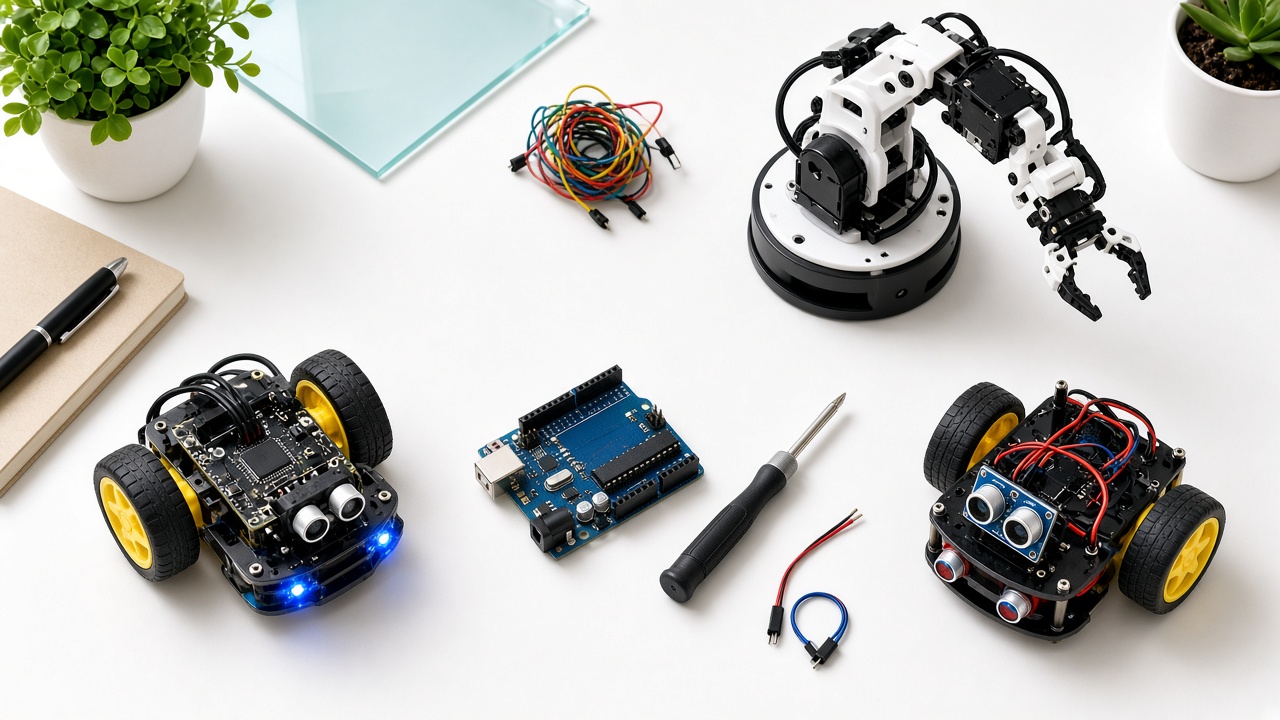
Stock a starter toolkit: cardboard, tape, scissors, markers, shared laptops or tablets with block-coding or beginner Python tools, and—if budget allows—one or two entry-level microcontroller kits. Borrow a projector. A kick-off workshop helps teachers see facilitation in action. Partners such as SheepByte can support Innovation Club structure, Coding Bootcamp-style sessions, or robotics lab setup later; early wins matter more than buying everything at once.
Write a one-page club charter: purpose, meeting time, safety rules, and how projects are chosen. Share it with parents and the academic coordinator so expectations stay aligned through exam weeks.
Roles that keep the club running
Clarity of roles prevents burnout. A teacher-mentor owns the calendar, safety, and learning goals, but does not need to be an engineer—curiosity and classroom management matter most. Student leads (rotated each term) help with attendance, kit inventory, and demo day logistics. A coordinator or principal sponsor unlocks room bookings and communicates with parents. Optional parent volunteers can help with materials or event setup without taking over student work.
If staff technical depth is thin, schedule mentor visits or online workshops rather than leaving teachers unsupported. Keep simple session plans so a substitute can run a low-tech activity. Celebrate teacher effort; clubs stall when facilitators feel alone.
Sample activities without a full lab
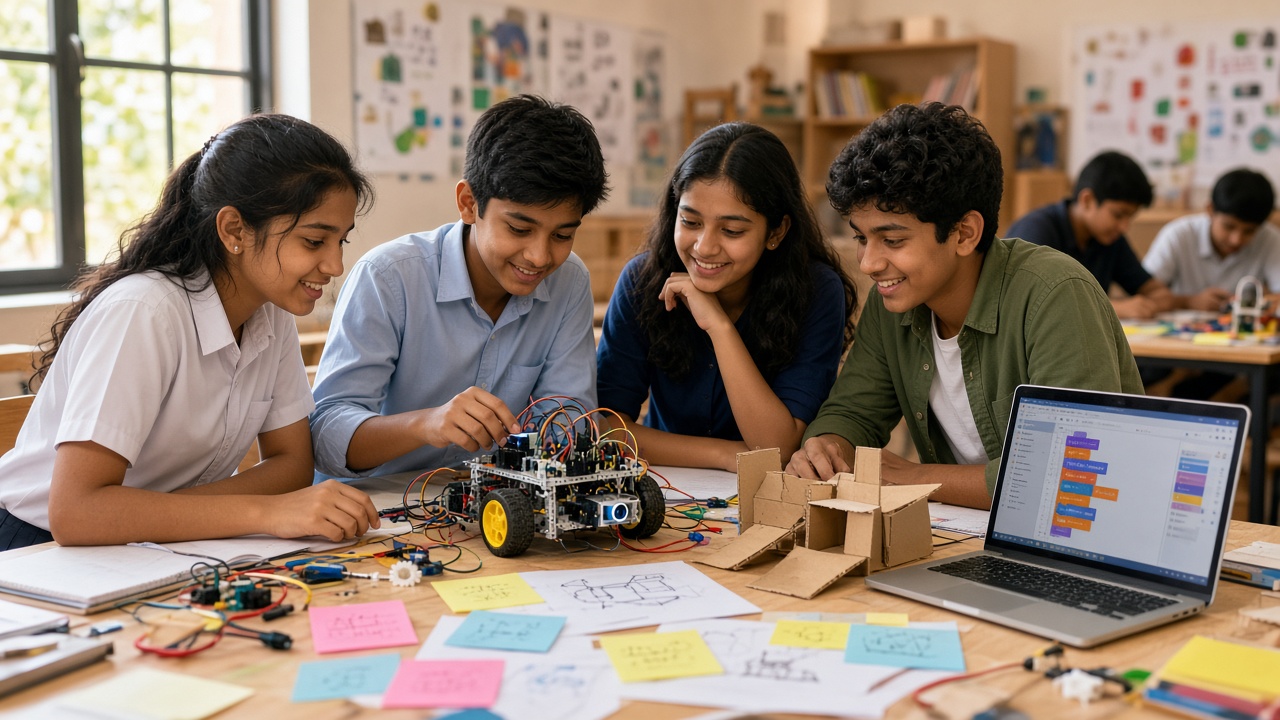
Mix unplugged, screen-based, and light hardware sessions. Week one might be "design a classroom problem and sketch three solutions." Week two: build a paper or cardboard prototype and present for peer feedback. Week three: block-code a story or quiz related to that problem. Later weeks can add a line-follower challenge with a shared kit, a simple weather or soil-moisture sensor demo, or an AI-awareness activity that classifies images with age-appropriate tools under adult guidance.
Keep projects short enough to finish in two to four sessions, then level up. Rotate themes—energy saving, waste sorting, traffic awareness, crafts plus sensors—so arts students feel welcome. End with show-and-tell: what worked, what broke, what to try next. That habit sustains a STEM club for schools.
Measuring success without vanity metrics
Count what helps learning improve. Useful signals include regular attendance, projects completed end-to-end, quality of student explanations at demo day, and teacher notes on collaboration. A term-end exhibition for parents and peers is often more meaningful than a tall kit purchase list. Track whether quieter students speak up over time and whether older members mentor younger ones.
Avoid treating certificates or social clips as the only proof of value. If exams force a pause, resume with a shorter sprint. Review the charter each term: which activities helped, which felt rushed, and which tools are truly used.
Common mistakes to avoid
Buying a large robotics inventory before a weekly rhythm exists. Letting the club become teacher-led demo time where students only watch. Mixing wide age gaps in one group without differentiated tasks. Ignoring safety, storage, and kit check-out rules. Scheduling only during peak exam months with no flexible calendar. Expecting overnight "innovation culture" because a brochure or evolving policy document mentions STEM. Comparing your first term to schools that have run clubs for years. Start small, document honestly, and grow the school innovation club with evidence from your own students.
Frequently asked questions
Q: How is an innovation club different from a science fair? A: A science fair is often a one-time showcase. An innovation club meets regularly, iterates on projects, and builds habits of teamwork and debugging across the year.
Q: Can we run a club without coding experts on staff? A: Yes. Start with design thinking, unplugged STEM, and block coding; bring in workshop mentors for deeper robotics or AI Learning sessions as needed.
Q: What age group works best? A: Many schools begin with middle school and invite senior students as mentors. Split groups if skill gaps are large so beginners are not left behind.
Q: How often should we meet? A: Weekly or fortnightly sessions of 60 to 90 minutes usually work better than rare all-day events. Protect the slot on the school calendar.
Grow with SheepByte
SheepByte is an AI and robotics education company based in Udaipur, Rajasthan. Our Innovation Club, Coding Bootcamp, Robotics Lab, STEM Integration, AI Learning, and Drone Technology programmes help schools and students build real projects with mentor support. We run workshops in Jaipur, Delhi, and online, and we partner with schools on robotics lab setup.
If you want help launching or strengthening a school innovation club, email support@sheepbyte.com or visit sheepbyte.com.